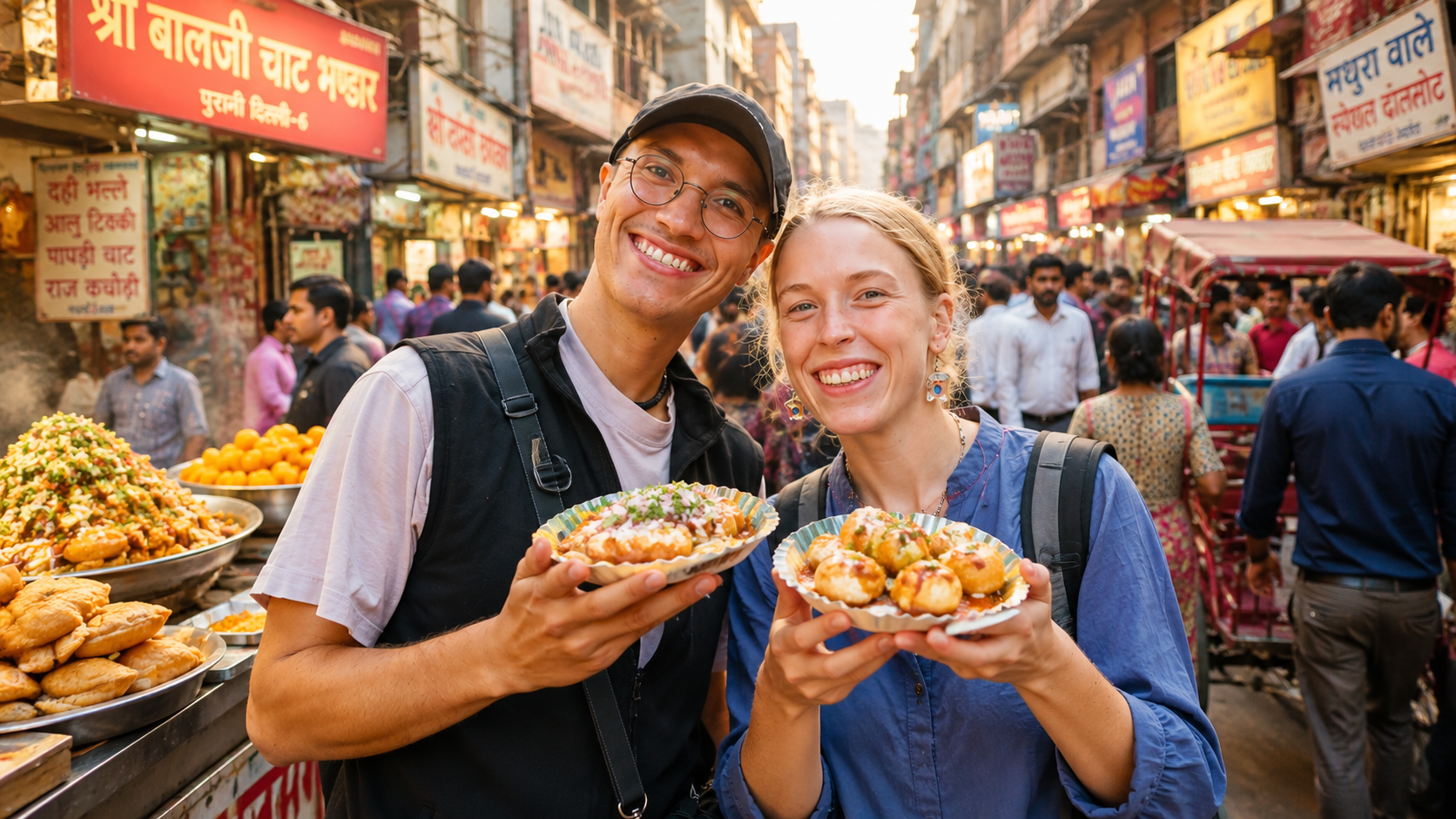
3 hr 30 min
Old Delhi Evening Food Walk
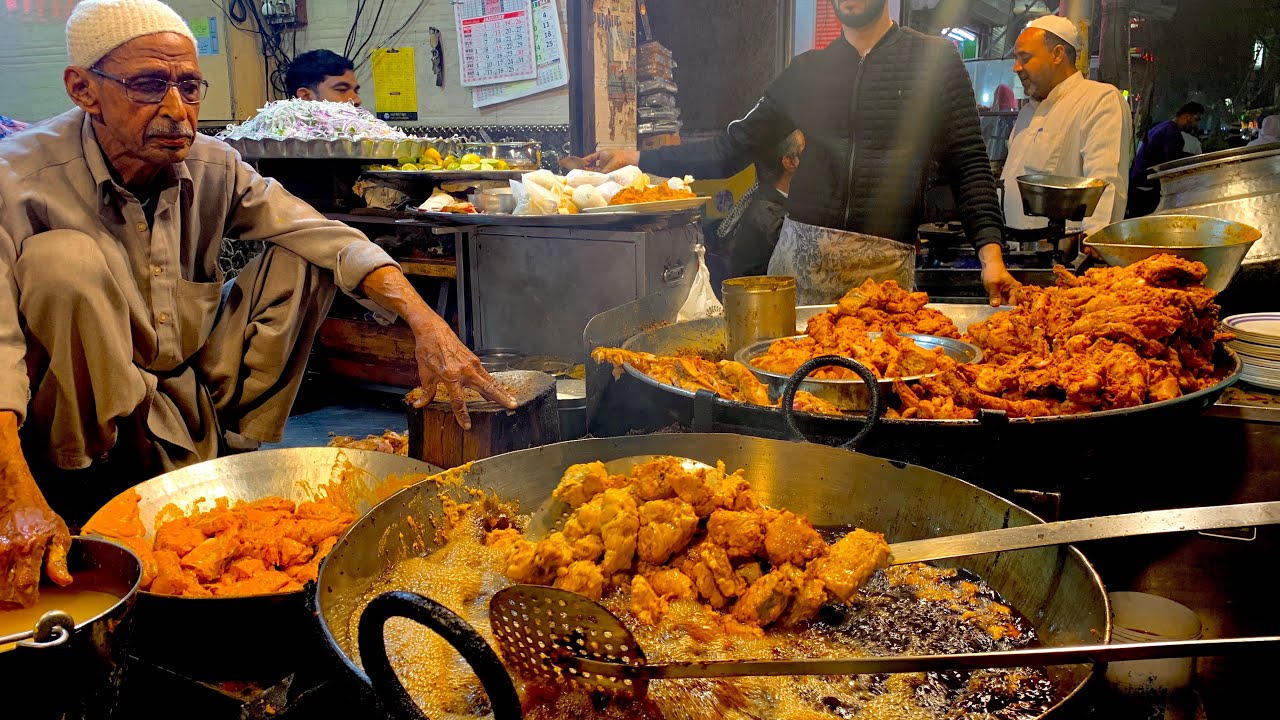
Savor a generous multi-course street food dinner as Old Delhi transforms from dusk to night
Reserve
Centuries-old recipes in narrow lanes, every bite a piece of Mughal history
Hand-picked by our editors — only the best 8 food experiences from 34 reviewed.
Verified partners for Chandni Chowk Food tours, free cancellation where available, and instant confirmation on every booking.
3 hr 30 min
Savor a generous multi-course street food dinner as Old Delhi transforms from dusk to night
Reserve
4 hr
Savor authentic Delhi specialties and explore historic neighborhoods on a culinary rickshaw journey
Reserve
5 hr
Discover the culinary heart of historic Delhi through tastings, markets, and cultural storytelling
ReservePrices from verified partners. Availability updates in real time at checkout. Free cancellation policies apply where shown.
The landmarks, rooms, and views travelers on Chandni Chowk Food tours remember — all visible on a single visit.
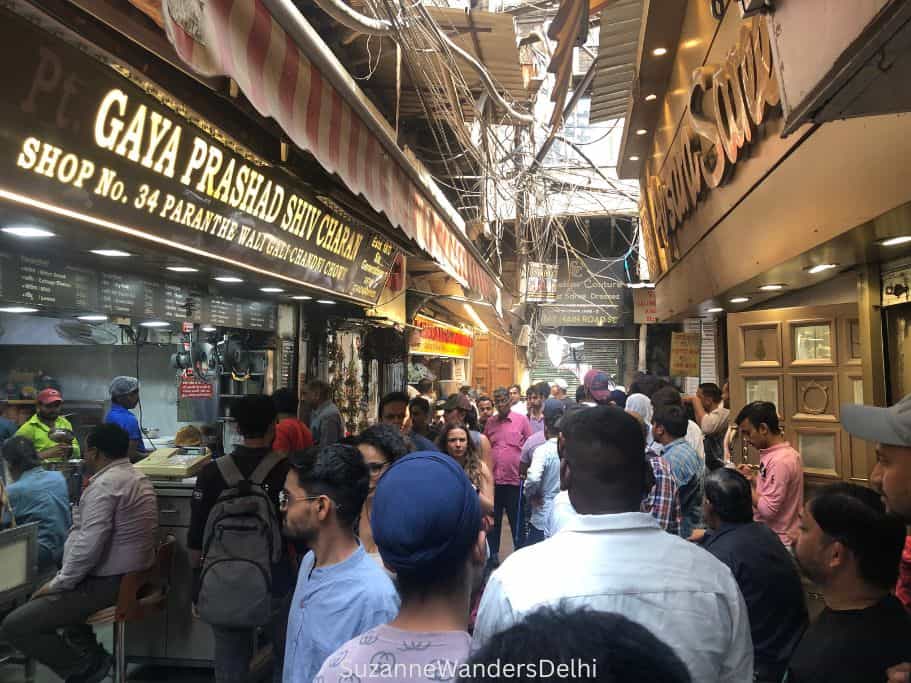
Famous lane known for deep-fried flatbread shops dating back decades.
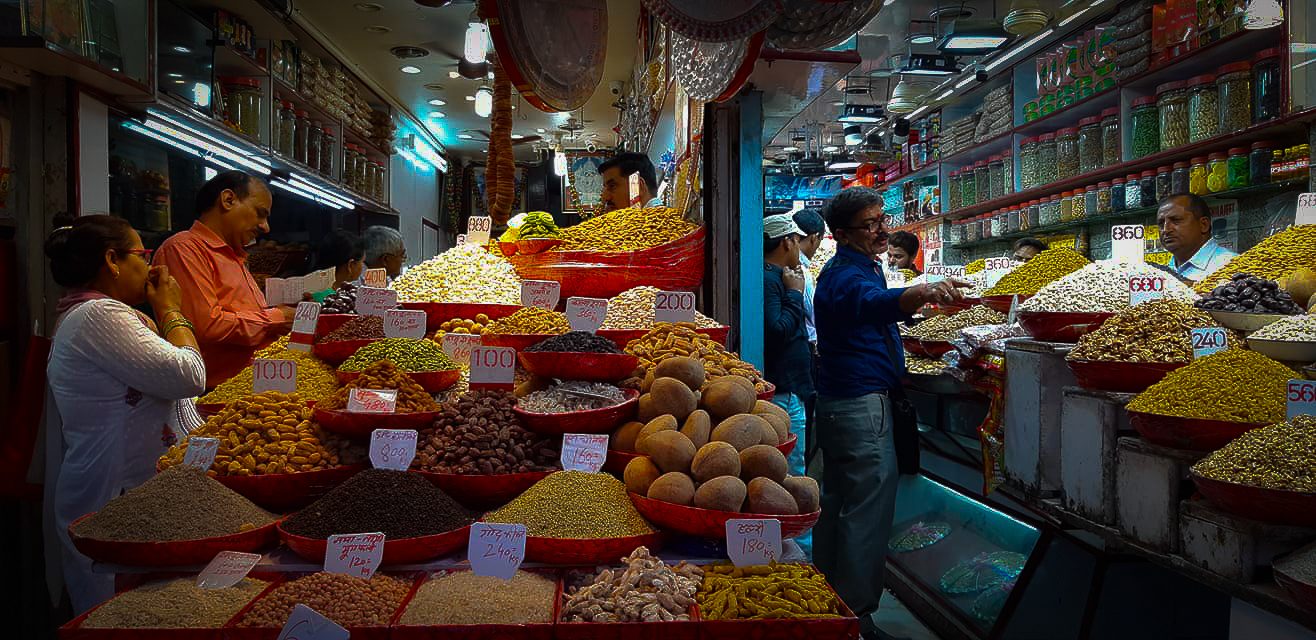
Asia's largest wholesale spice market offering vibrant colors and aromas.
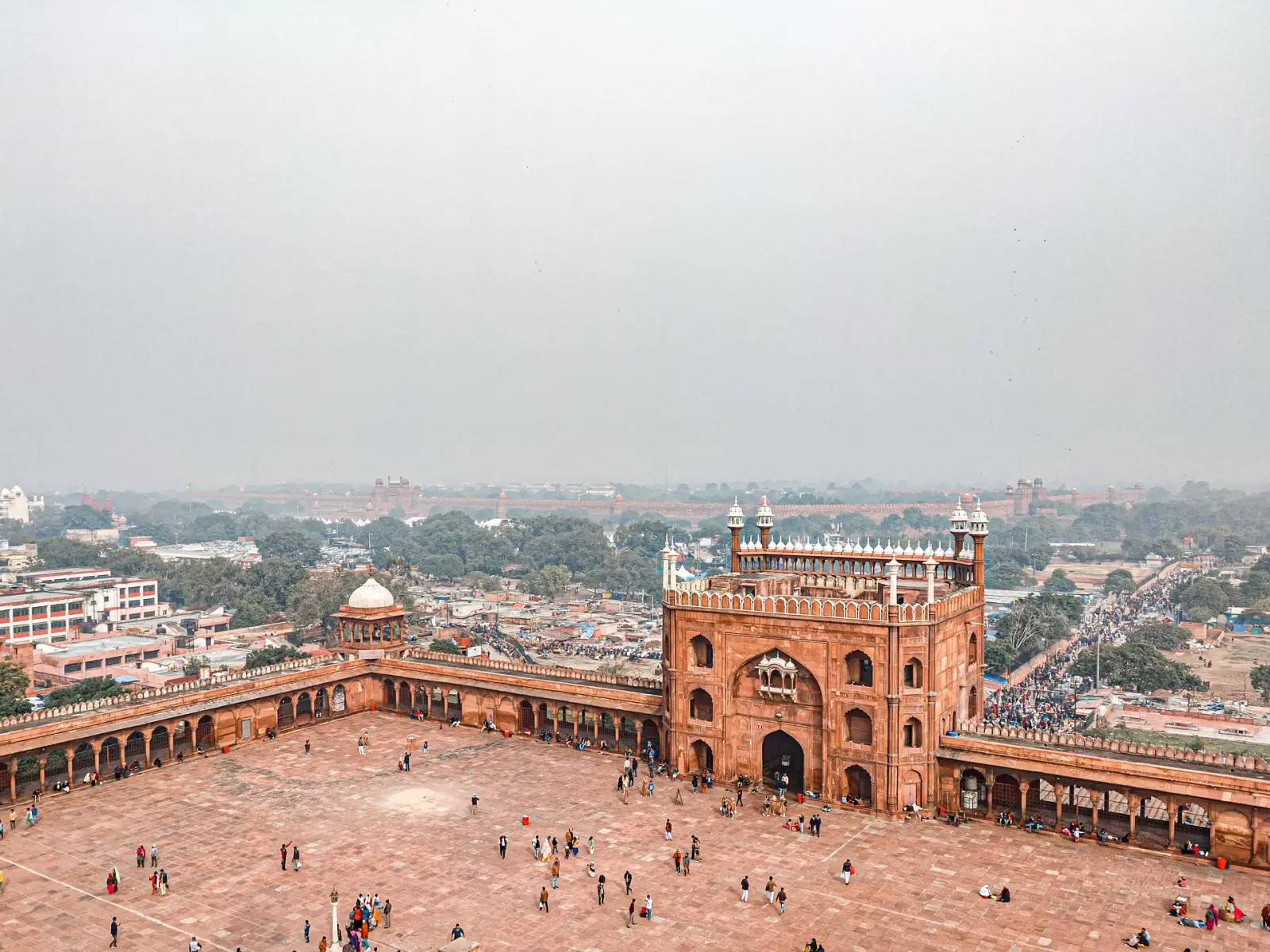
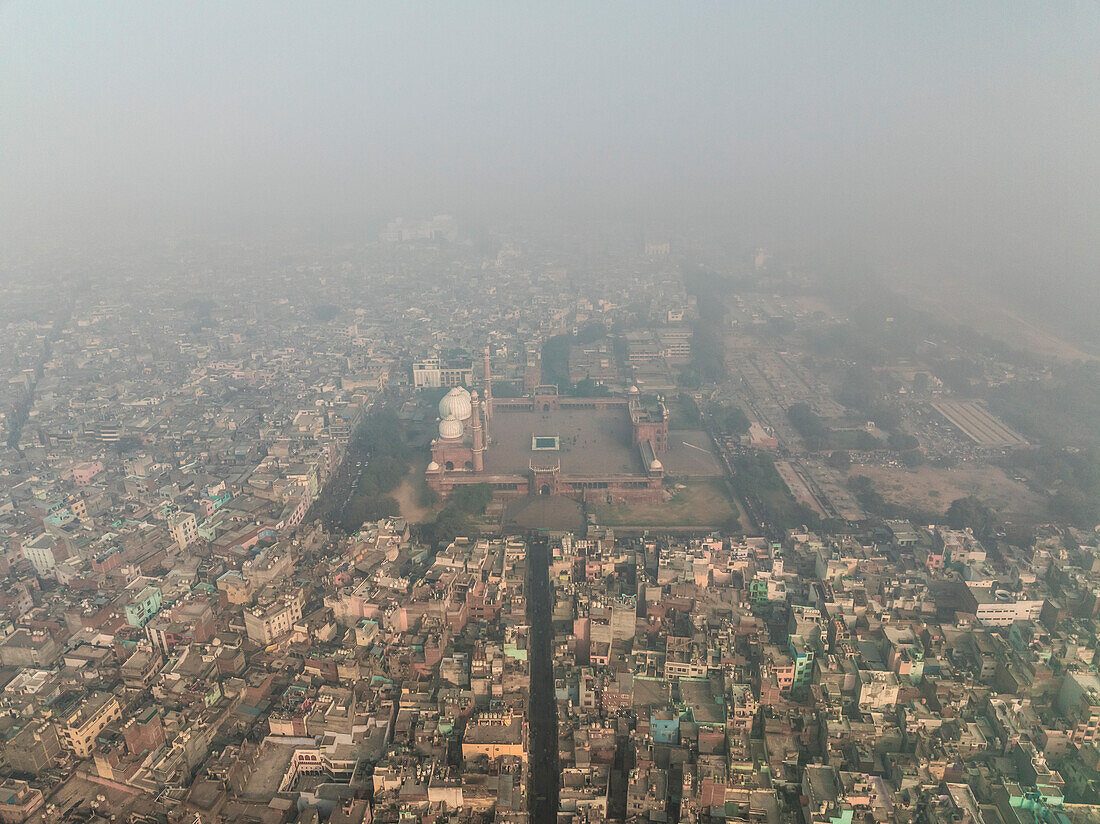
A massive architectural landmark representing Mughal grandeur.
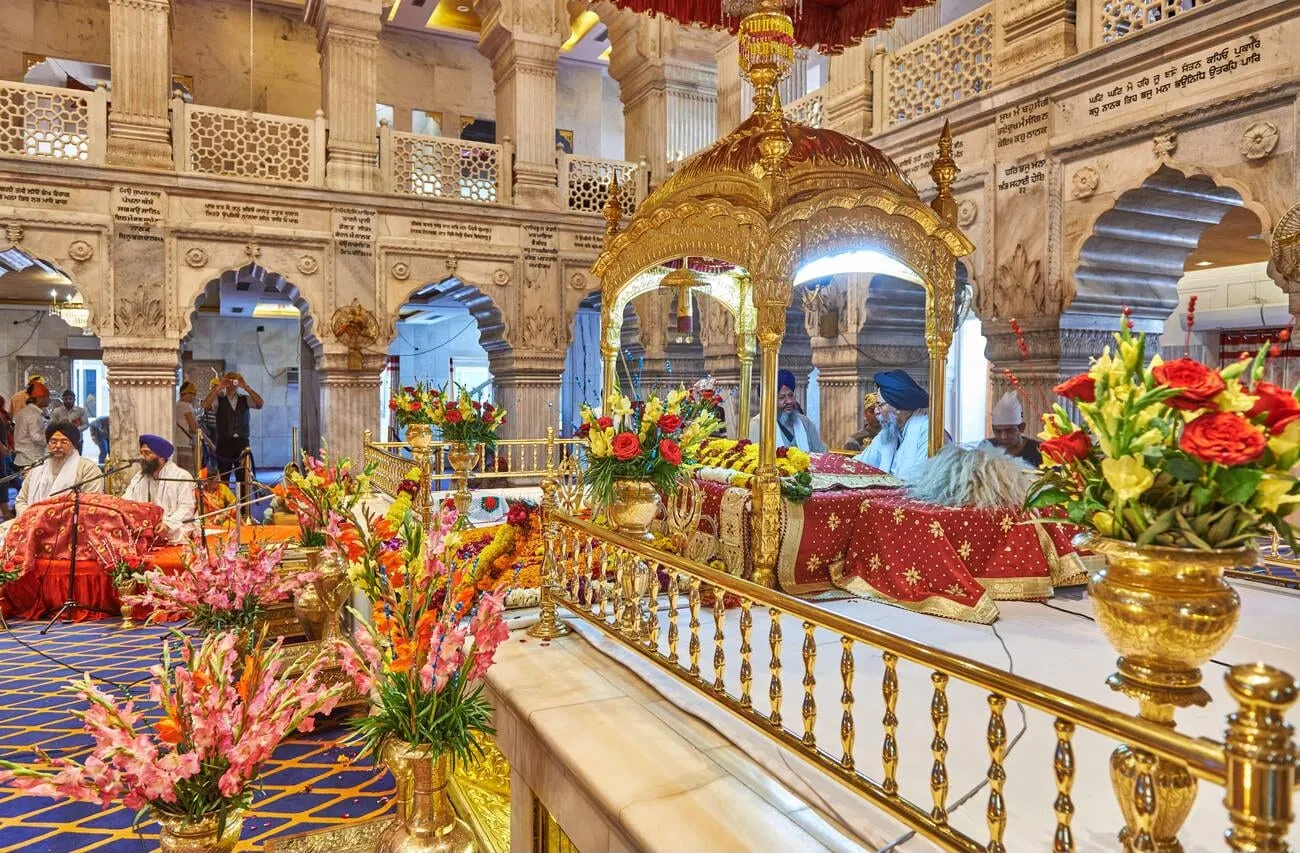
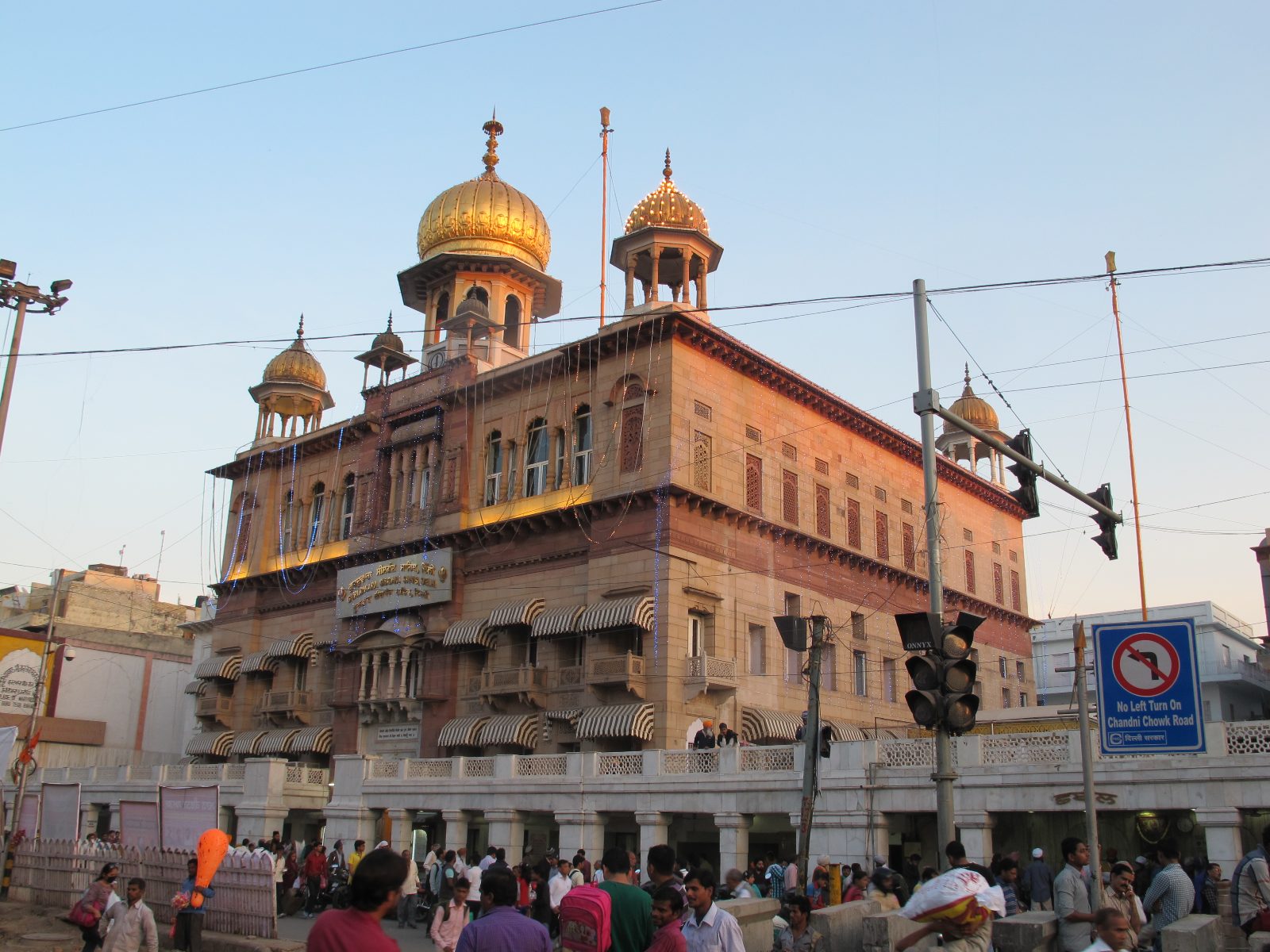
A significant religious site with a peaceful atmosphere.
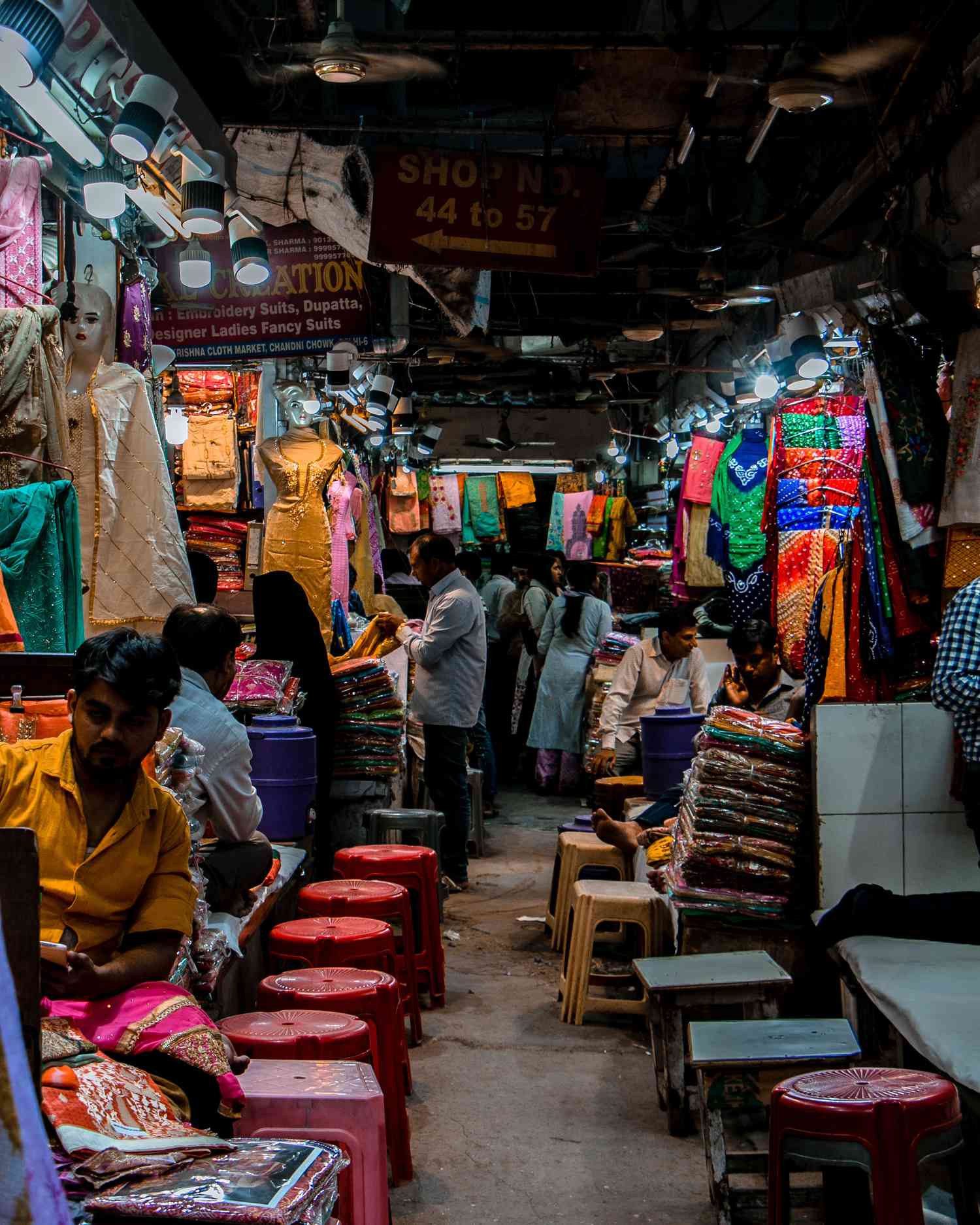
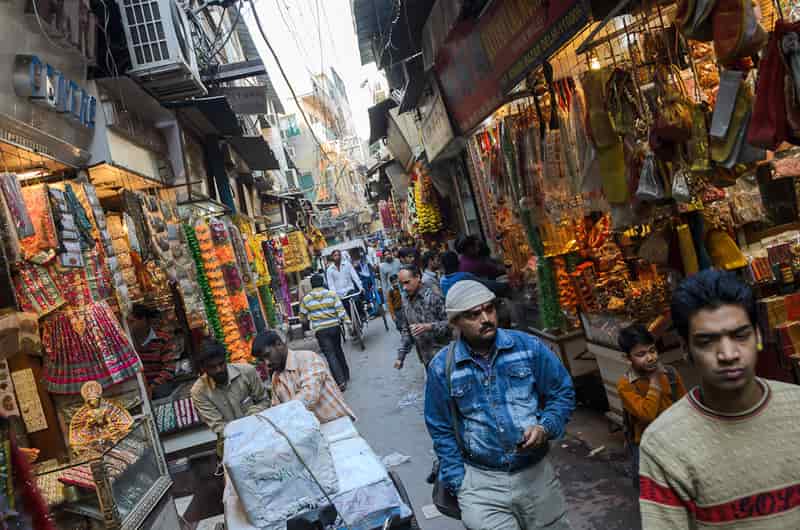
A colorful lane specializing in wedding finery and decorations.
Every Chandni Chowk Food tour side-by-side — duration, what's included, how you redeem.
| Experience | Duration | Rating | Guide | Small group | Free cancel. | Price | |
|---|---|---|---|---|---|---|---|
|
Standard Entry Most popular
Old Delhi Evening Food Walk
|
3 hr 30 min | ★ 5.0 | ✓ | ✓ | ✓ | €32 | Book → |
|
Standard Entry
Old Delhi Street Food Adventure with Rickshaw
|
4 hr | ★ 4.9 | ✓ | — | ✓ | €33 | Book → |
|
Standard Entry
Old Delhi Food and Heritage Walking Experience
|
5 hr | ★ 5.0 | ✓ | — | ✓ | €36 | Book → |
All prices from verified partners. Availability and exact terms confirmed at checkout.
Professional guides provide structural ease for the dense Old Delhi labyrinth, while a self-guided Delhi food tour offers personal rhythm for seasoned explorers.
| Feature | Top pick Chandni Chowk Food Tour | Self-Guided Walk |
|---|---|---|
Ease of navigation |
High - local expertise | Low - requires mapping |
Historical context provided |
Curated narratives included | None - research required |
Risk of missing hidden gems |
Minimal - expert selection | High - requires prior knowledge |
Safety/Stress levels |
Low - guided oversight | Moderate - requires vigilance |
Cost efficiency |
Fixed per head | 0 INR (Public street market area, no entrance fee required.) |
Language barriers |
None - translator present | Moderate - local language dependency |
| See tickets → |
Verdict: Those seeking in-depth historical narratives should book the chandni chowk food tour, whereas independent travelers often prefer the autonomy of a self-guided route despite the lack of chandni chowk food tour tickets.
Choose your ticket, select your date, and reserve in under two minutes. Secure checkout handled by our verified partner.
Instant confirmation by email, with a mobile voucher you can save offline. No printing, no queuing at a collection desk.
Arrive at the entrance, show your voucher on your phone, and walk in. Most tickets include priority or skip-the-line access.
Practical details for Chandni Chowk Food tickets straight from our verified partners — hours, access, rules, and how to get there.
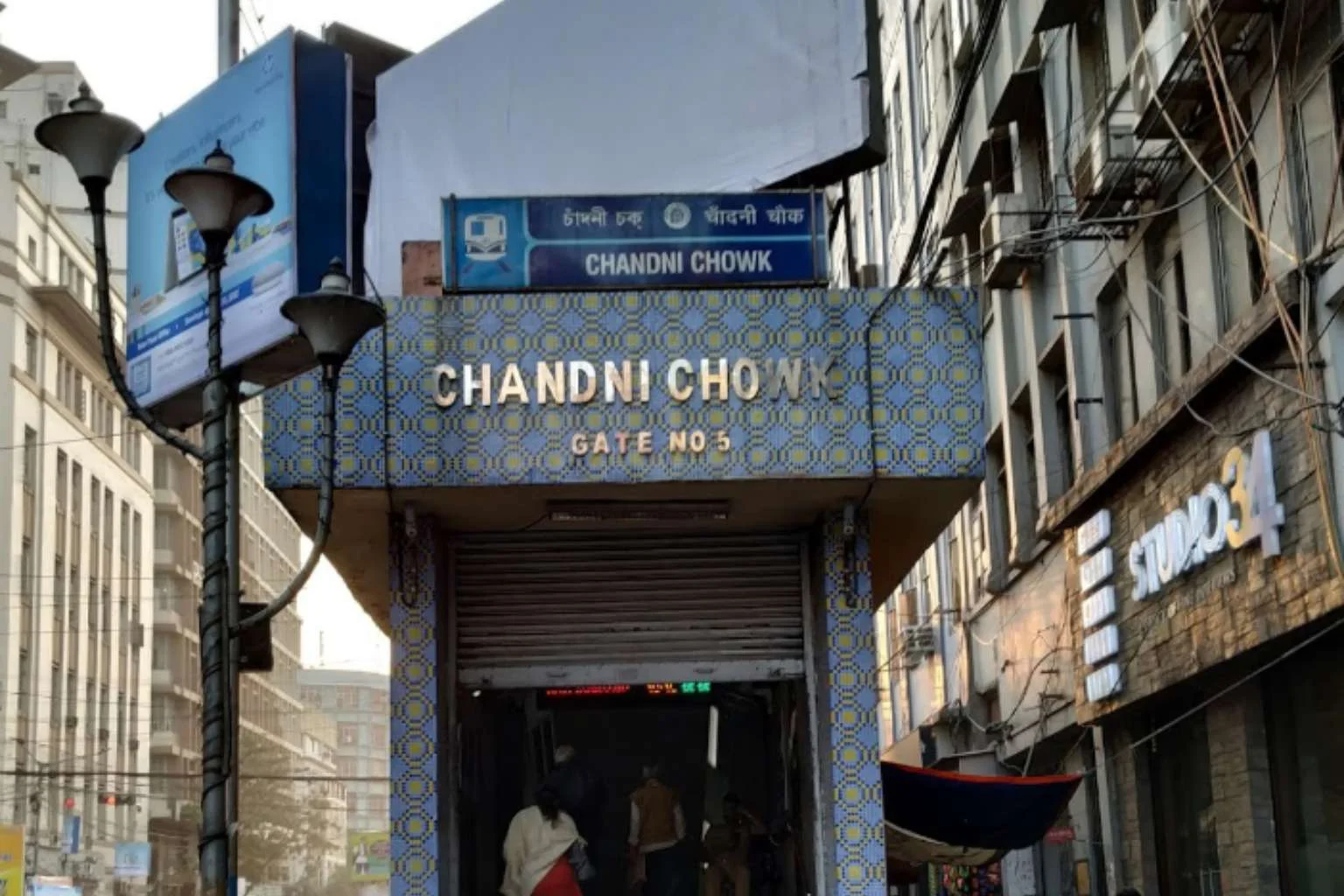
Chandni Chowk Station
Main entrance point
Open in Google MapsUse Yellow Line metro to Chandni Chowk Station
Hire local auto-rickshaw to main market gate
Modest clothing is recommended when visiting religious sites within the market. Comfortable walking shoes are essential for navigating uneven paths during your chandni chowk food tour.
Keep belongings secure in front-facing bags, as narrow lanes can become crowded. There are no lockers provided for a chandni chowk food tour.
Photography is permitted in public areas. Please respect local vendors and worshippers by asking before capturing portraits during your Delhi culinary tour.
The market lanes are narrow and uneven, making wheelchair access difficult. A guided chandni chowk food tour may require significant walking.
Mobile phone signal is generally strong throughout Old Delhi. Keep your device accessible for maps and contact with your local guide.
The area is energetic and can be overwhelming for young children. Supervision is required at all times during any Delhi food walk.
The entire area is a hub for street food. Only consume items from high-turnover stalls to maintain health safety during your chandni chowk food tour.
Pets are not suited for the intense congestion and heat of this market. Leave animals at your accommodation.
Always carry identification. Be prepared for constant noise and activity in this historic commercial district.
Best time to go, insider tips, nearby landmarks, and the cancellation fine print — flip through to skim what matters to you.
How crowds, weather, and events shift across the year.
Pleasant temperatures for walking tours
Small details that turn a good visit into a great one.
Begin your chandni chowk food tour as close to 10:00 as possible to beat the crowds.
Non-bookable sights within a short walk — free to visit, easy to pair.
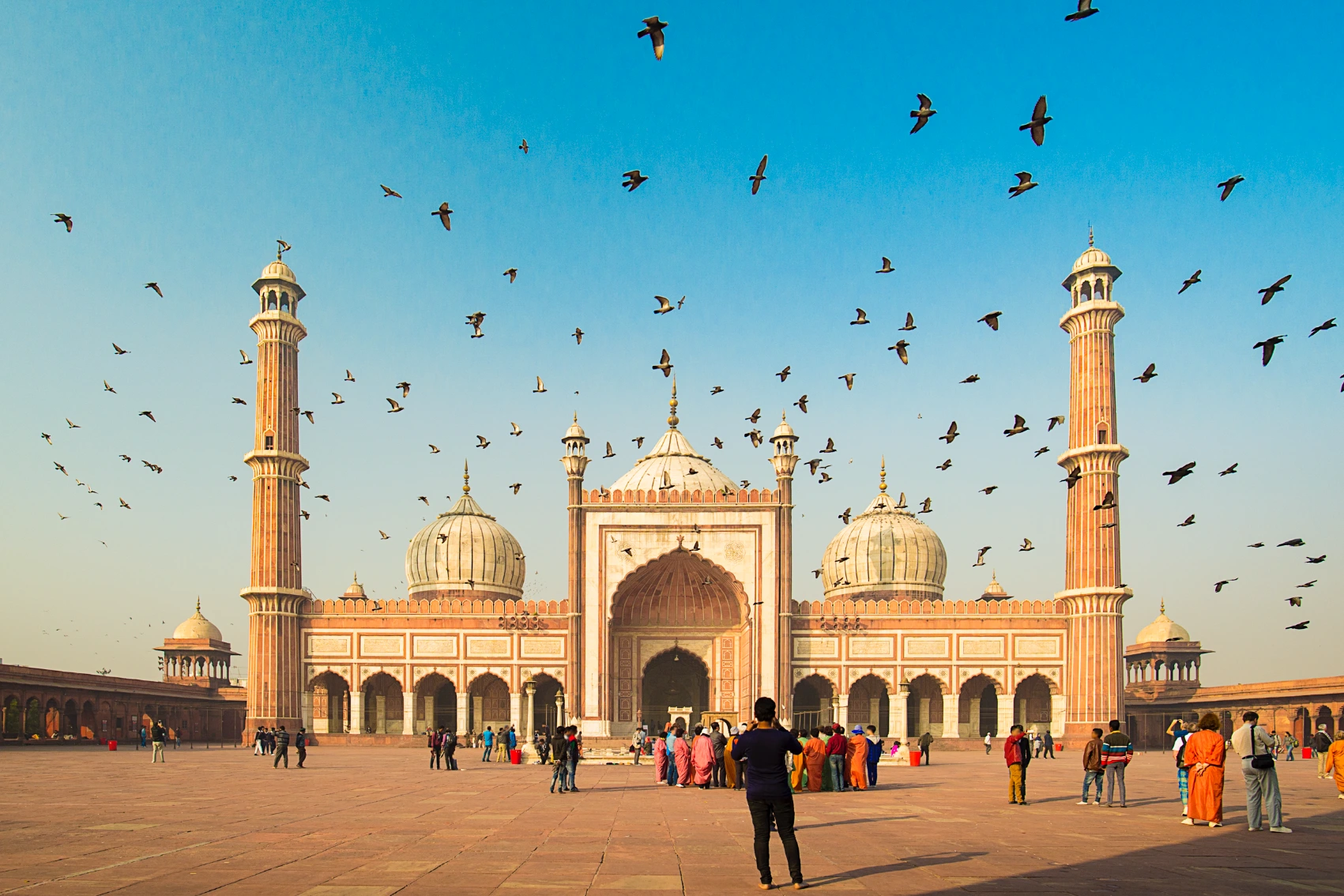
Massive 17th-century mosque with red sandstone.
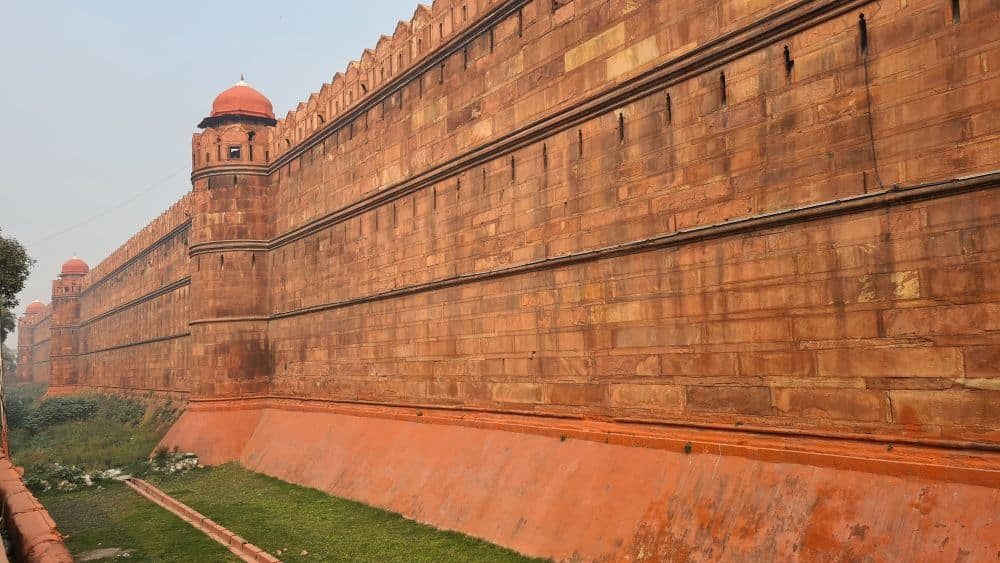
Imperial fortress and UNESCO heritage site.
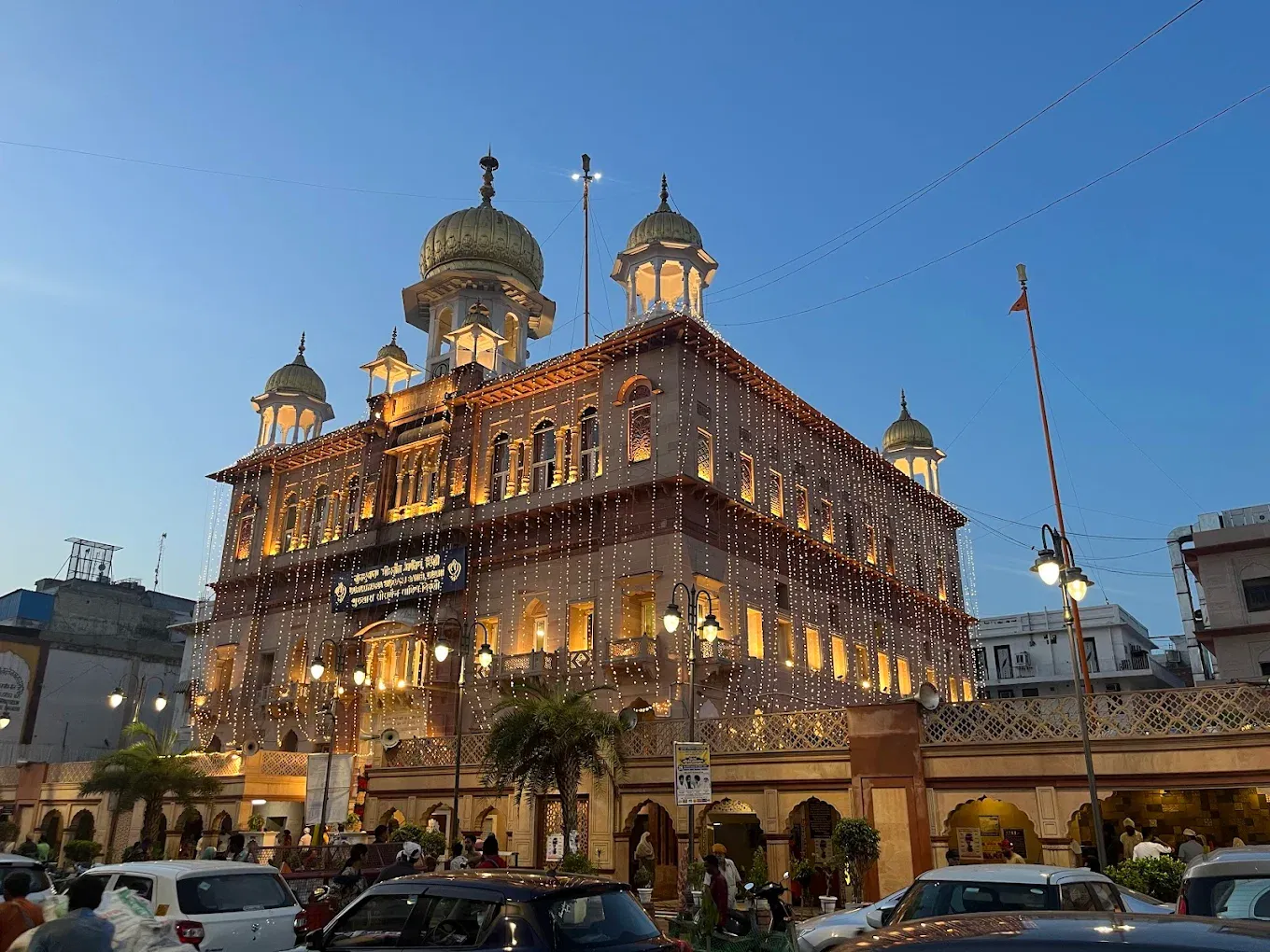
Historic Sikh place of worship.
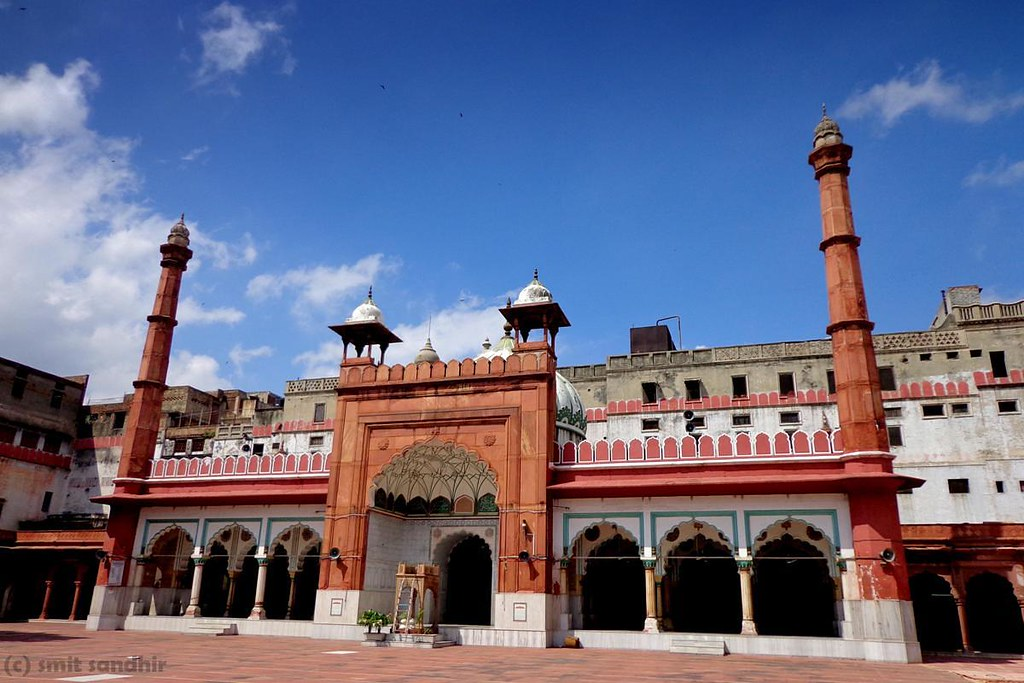
Mosque built in 1650 at the end of the market.
Flexible, no hidden fees.
Public street market areas have no entrance fee required. Chandni Chowk food tour tours are subject to individual operator policies.
Hand-picked options within walking distance — pick a district for vibe, or a specific hotel for convenience.
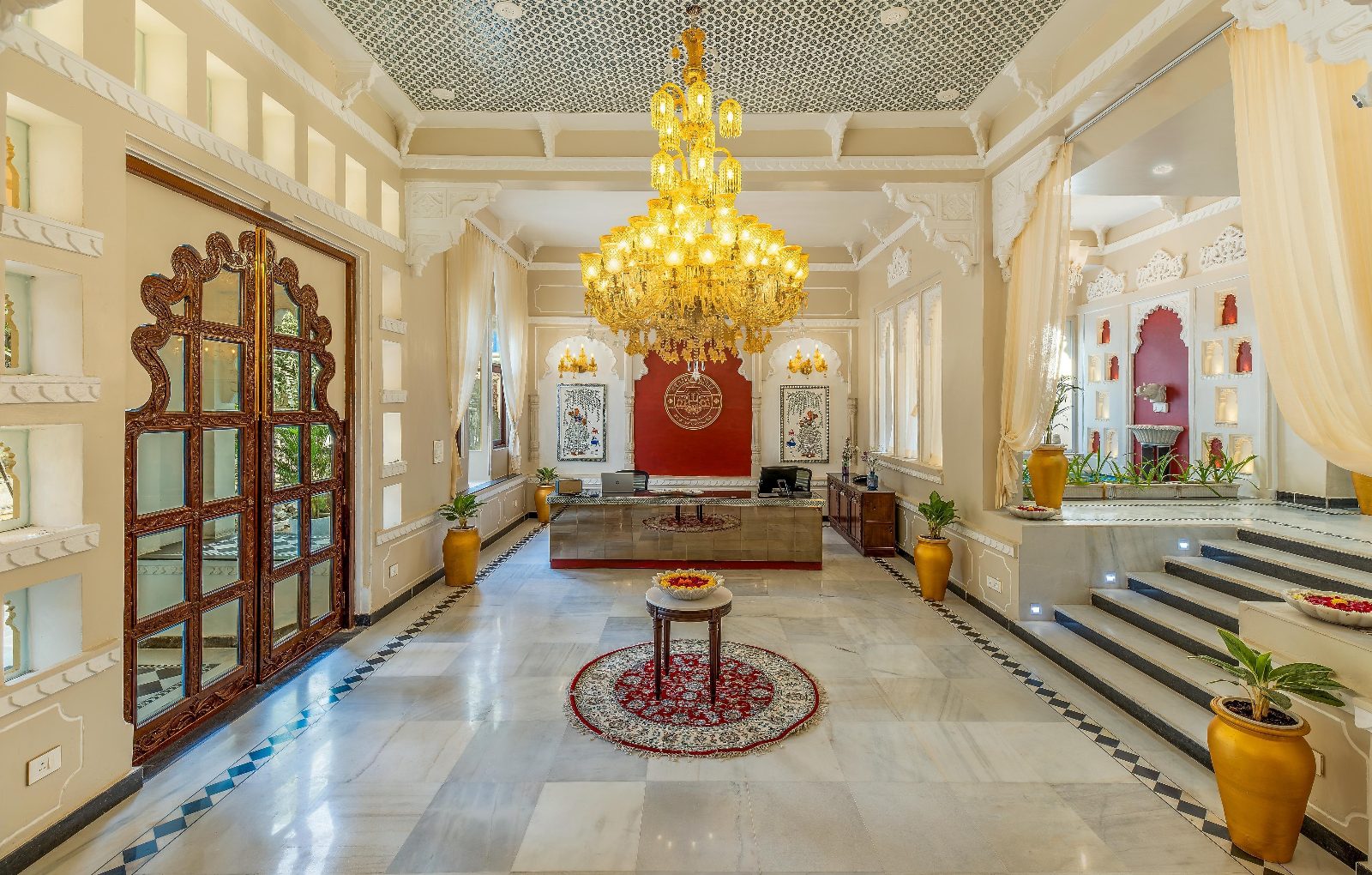
Restored historic mansion stays.
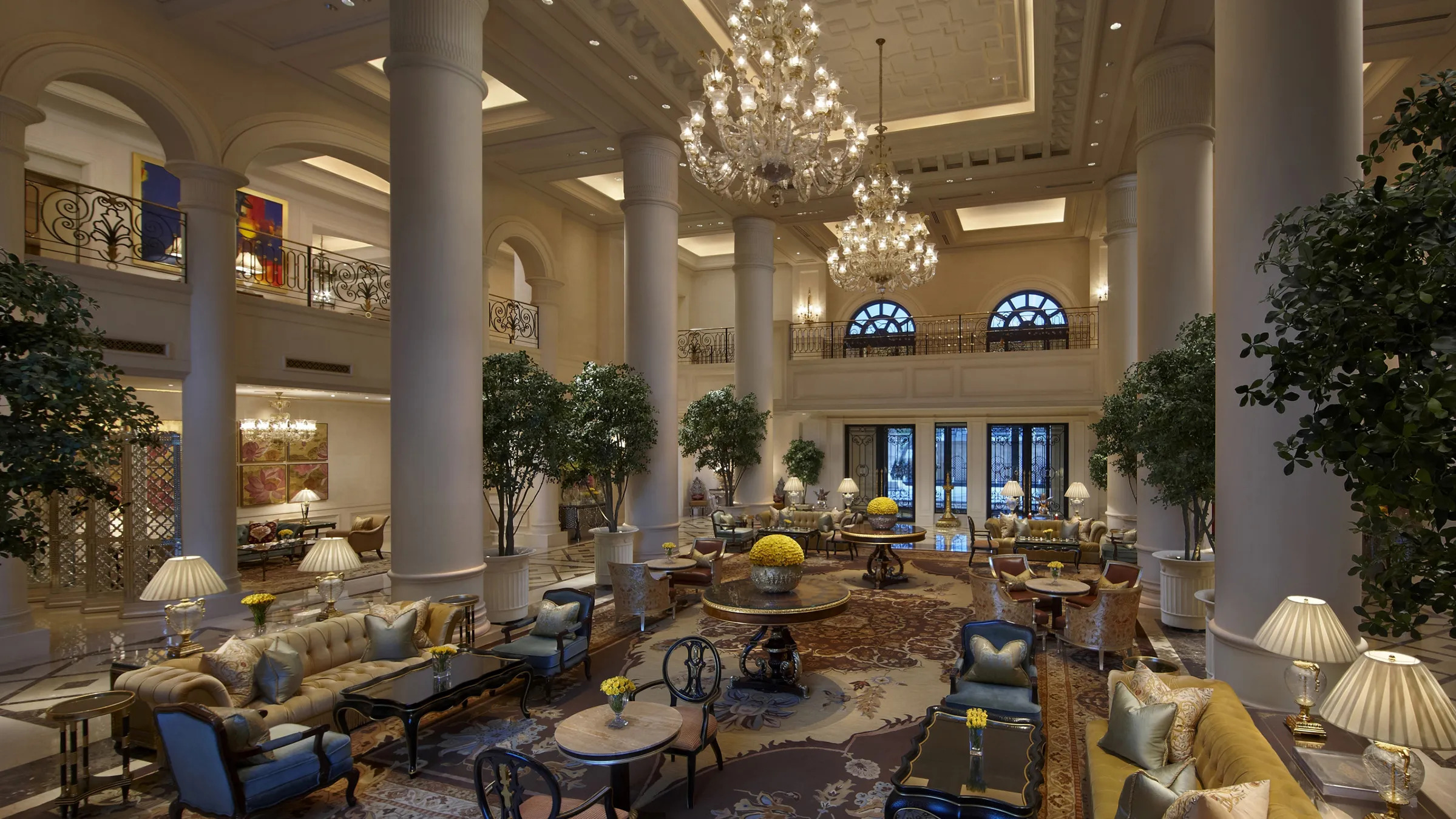
Various options near Connaught Place.
Chandni Chowk's labyrinthine food corridors were established in 1650, when Shah Jahan laid out the crescent-shaped marketplace as the nerve center of his new Mughal capital. The name translates to Moonlight Square, a reference to the canal that once reflected the moon's glow down the avenue's length.
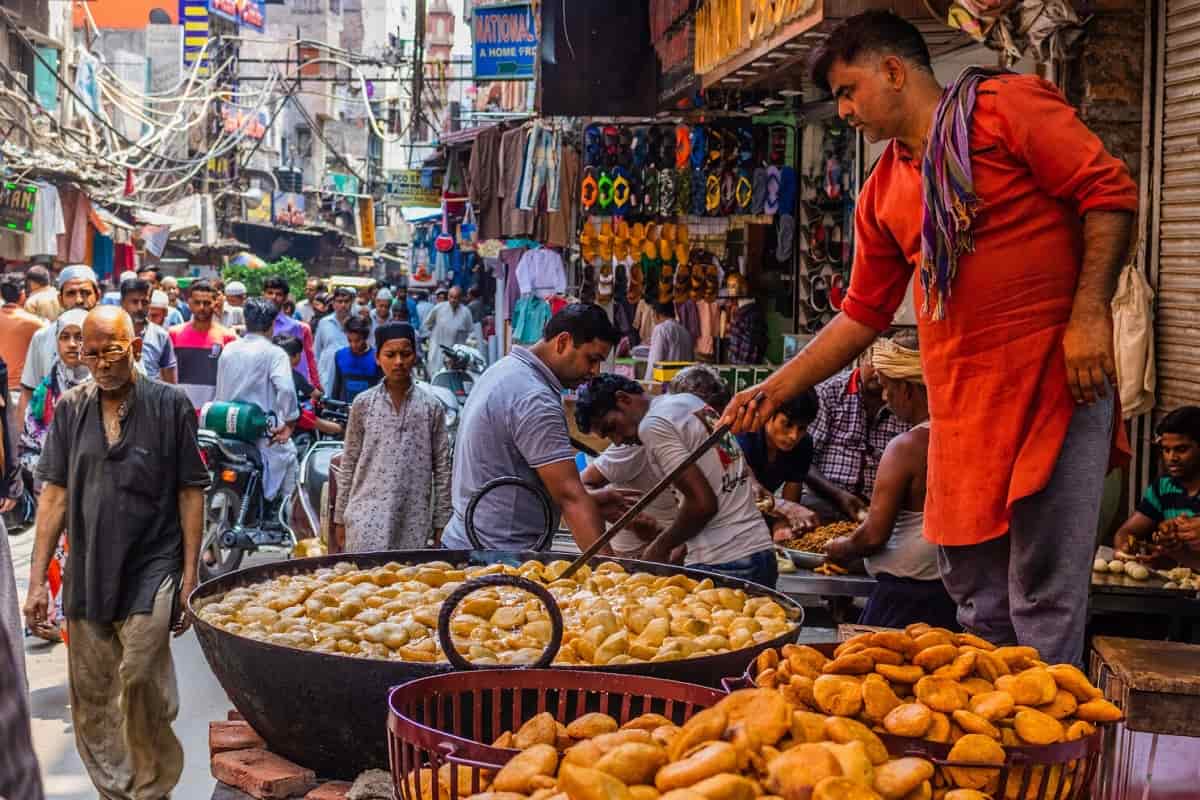
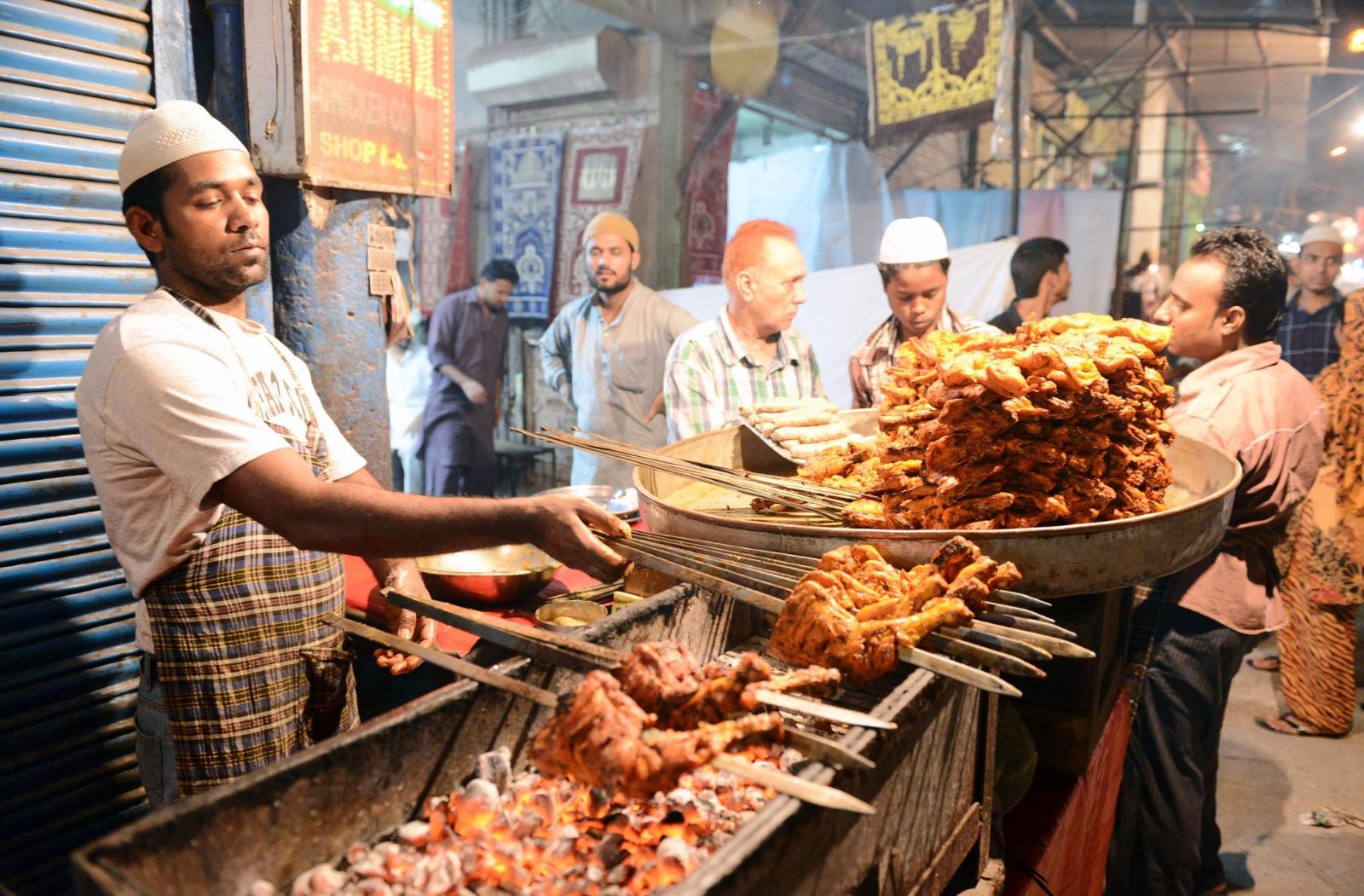
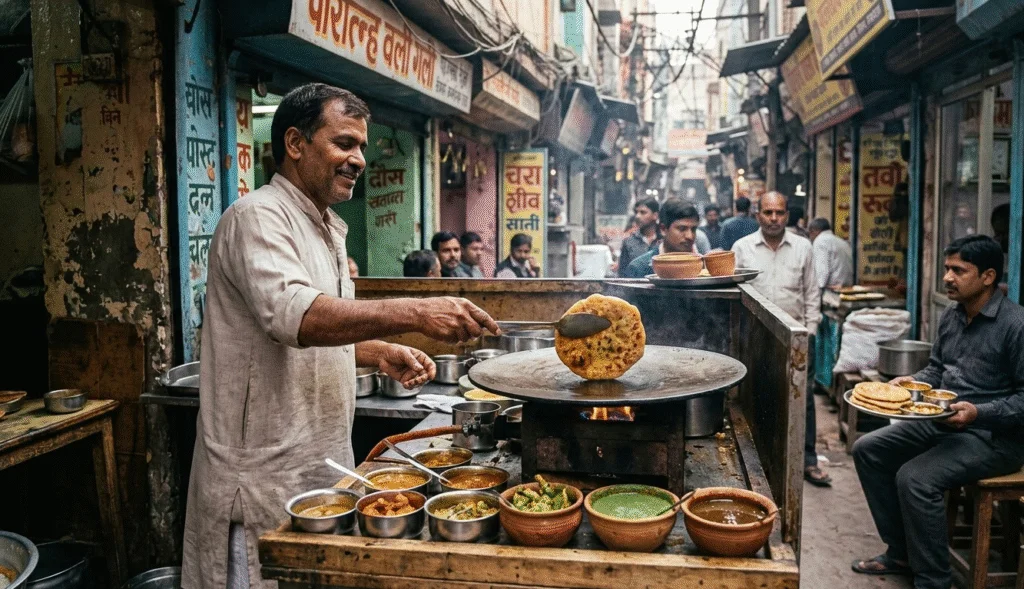
Today, the canal is buried beneath asphalt and centuries of commerce, but the culinary traditions remain unbroken. Families who set up kebab stalls in the 17th century still man the same corners, their descendants grilling meat over charcoal pits that have smoldered without interruption for three hundred years. The quarter's gastronomic density is unmatched in India: a single 300-meter stretch of Paranthe Wali Gali houses fourteen shops, each specializing in a single preparation of stuffed, fried flatbread.
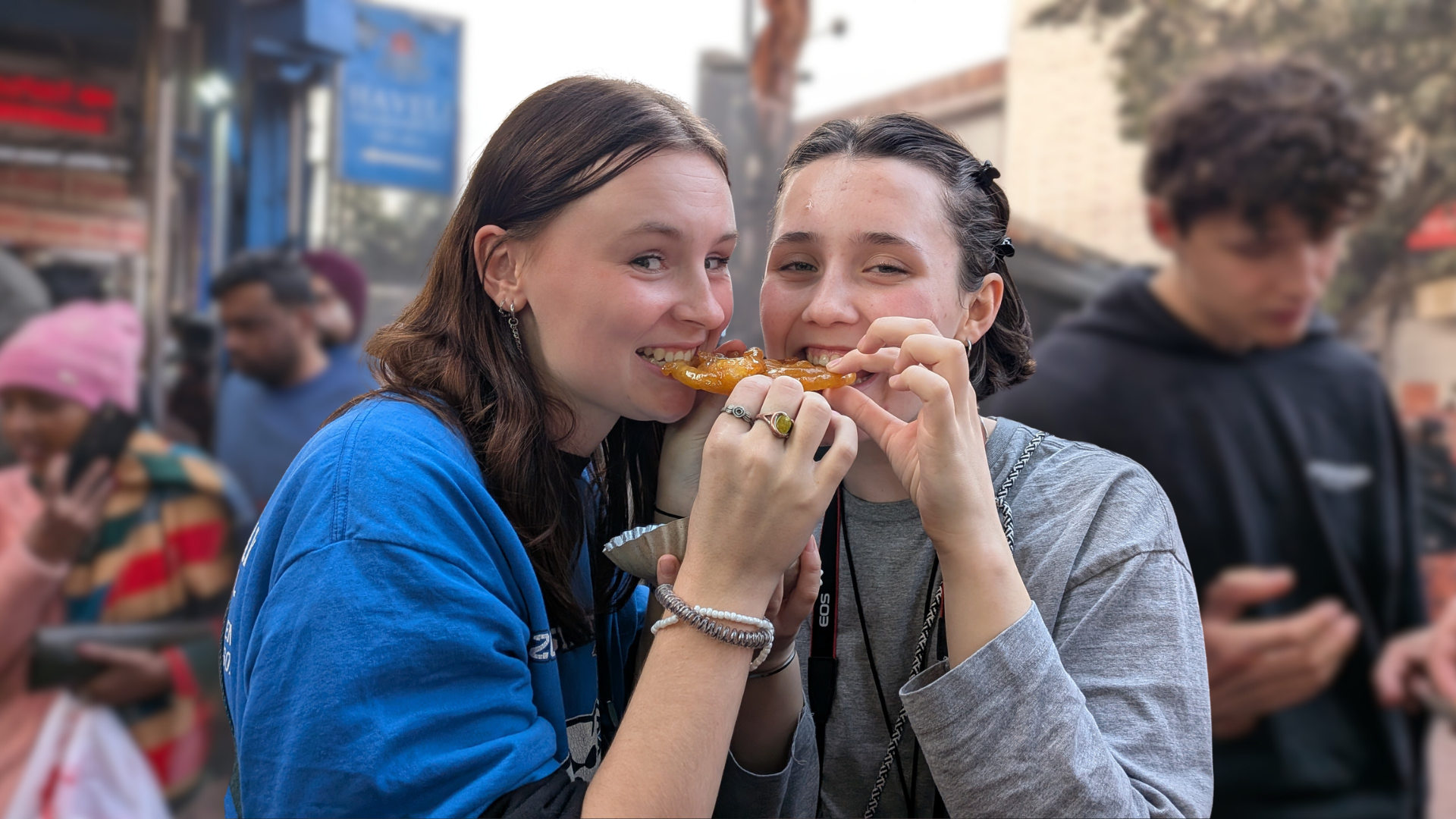
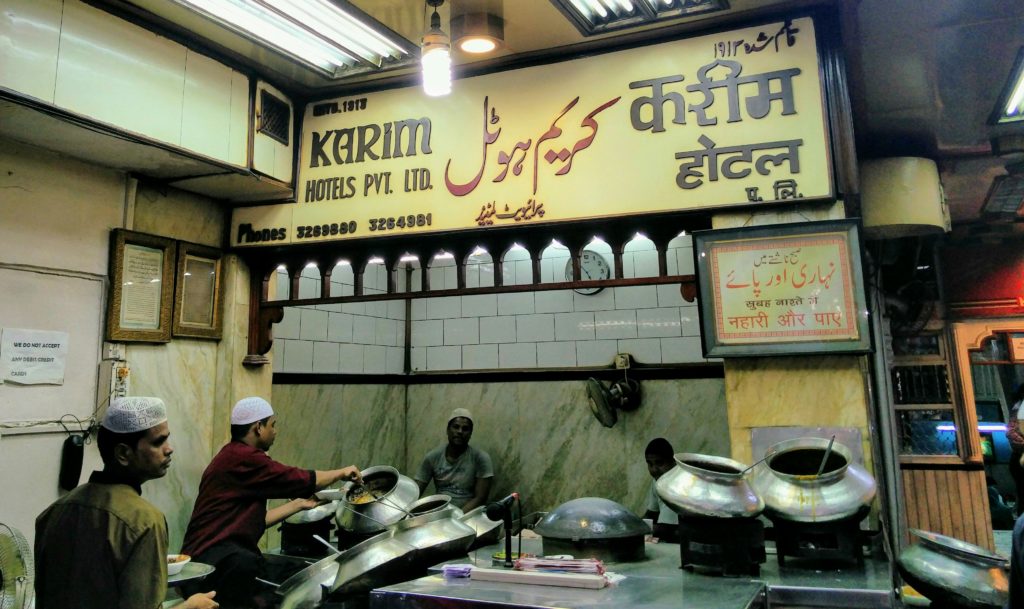
A chandni chowk food tour navigates the quarter's tightest byways, where bicycles and porters carrying head-loads squeeze past tourists and hawkers. The architecture tells its own story. Havelis with overhanging balconies lean inward, their facades streaked with decades of cooking smoke. The jalebi vendors work from open storefronts barely two meters wide, pouring batter into vats of clarified butter that hiss and bubble at 180 degrees Celsius. The sweets emerge in coiled spirals, syrup-soaked and crystalline. Nearby, the century-old Karim's restaurant serves nihari, a slow-cooked mutton stew that originated in the royal kitchens of the Awadhi nawabs. The recipe requires sixteen hours of simmering and a spice blend guarded across five generations.
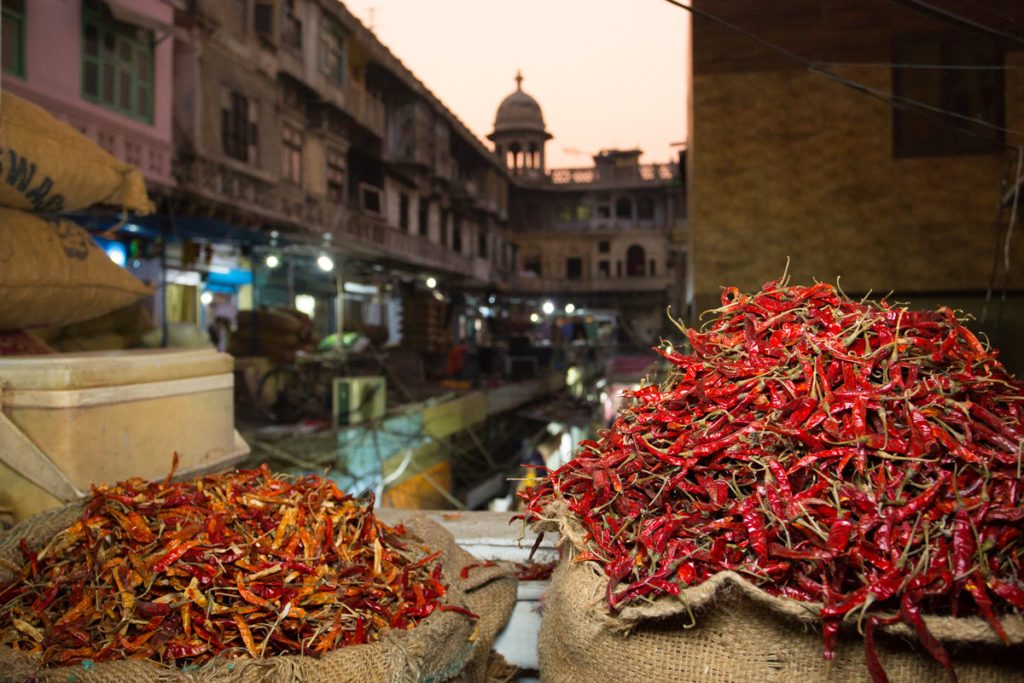
Old Delhi's food ecosystem extends beyond prepared dishes. The spice wholesalers of Khari Baoli operate from warehouses stacked floor-to-ceiling with burlap sacks: turmeric from Sangli, Kashmiri saffron, black cardamom from the Himalayas. The air is thick with particulate—ground chili powder coats every surface. A chandni chowk delhi food tour typically includes a walk through these wholesale lanes, where merchants measure out kilos of fenugreek and coriander using brass scales calibrated in the 1940s. The market operates from dawn until late evening, supplying restaurants across North India. Guided culinary walks emphasize the supply chain as much as the final plate, connecting the farm economy of rural Punjab to the street-side griddle.
The quarter's endurance reflects both deliberate preservation and organic continuity. UNESCO has studied Chandni Chowk as a model of intangible heritage—knowledge passed cook to cook, not written or codified. The chandni chowk street food tour format emerged in the early 2000s, when local historians began formalizing routes through the area's most historically significant vendors. These itineraries now form the backbone of the city's culinary tourism, drawing food scholars and casual travelers alike to taste what Shah Jahan's courtiers once ate.
"Families who set up kebab stalls in the 17th century still man the same corners, their descendants grilling meat over charcoal pits that have smoldered without interruption for three hundred years."
A step-by-step walkthrough of Chandni Chowk Food tickets — what you'll see, how long each stage takes, and the details that matter.
You enter Chandni Chowk from the Lahori Gate side of the Red Fort, stepping into the current of cycle rickshaws and pushcart vendors. Your guide leads you down Dariba Kalan, the silversmiths' lane, before cutting left into Paranthe Wali Gali. The alley is four meters wide.
You stop at a stall where a cook rolls dough on a marble slab, stuffs it with spiced potato, then fries it in a shallow iron pan. The paratha arrives on a steel plate with mint chutney and pickled radish. You eat standing, leaning against the wall to let porters pass.
The route continues to Ghantewala, a sweet shop founded in 1790. You sample sohan halwa, a dense confection of milk solids and saffron that cracks under your teeth. Three blocks south, you reach Karim's, where mutton biryani is served in clay pots sealed with dough. The rice is saffron-stained, the meat falls off the bone. Your guide explains the nihari preparation while you finish the dish.
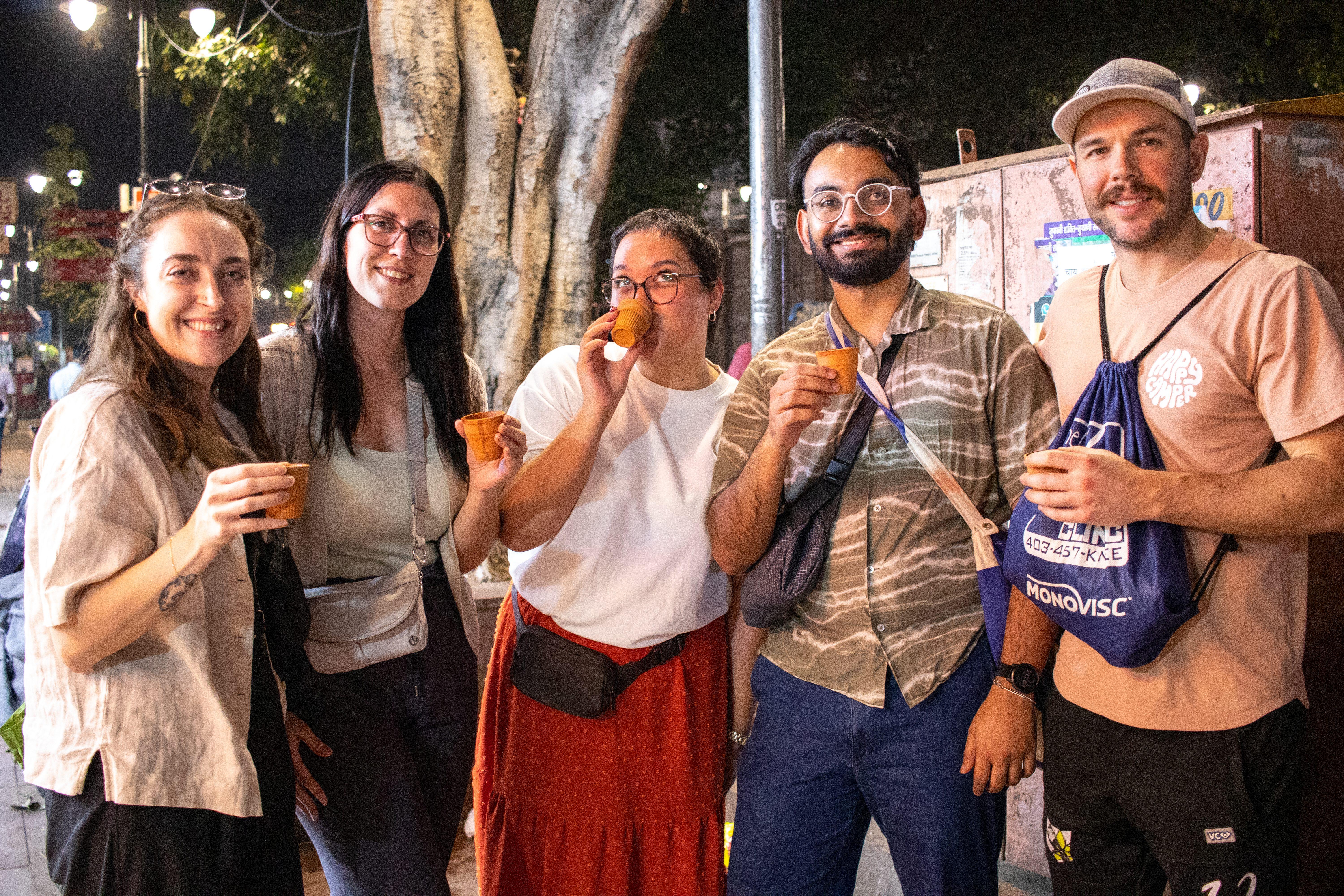
The chandni chowk food walk concludes at a lassi vendor near the Jama Masjid. You drink from a ceramic cup, the yogurt cold and slightly sour, sweetened with raw cane sugar. The entire route covers less than two kilometers but spans seven centuries of unbroken culinary practice. You leave with turmeric dust on your shoes and the smell of fried bread in your clothes.
The market operates from 10:00–21:00 daily, though timing for a specific chandni chowk food tour may vary. Always verify specific provider schedules.
There is 0 INR entrance fee required to enter the public street market area.
The best arrival window is 10:00–18:00 to avoid extreme evening congestion and peak midday heat.
Yes, families can join a chandni chowk food tour, but the environment is very intense and may not be suitable for young children.
Due to narrow, uneven lanes, the area is challenging for wheelchair access; contact your guide for details.
You can reach the area via the Yellow Line metro; use the Chandni Chowk station exit.
You can bring small bags, but large luggage is discouraged as the market lanes are very narrow.
Yes, photography is permitted in the public market during your Delhi culinary tour.
As the market has 0 INR entrance fee, individual operator policies determine refund rules for booked chandni chowk food tour tickets.
Nearby landmarks include the historic Jama Masjid and the Red Fort, both within walking distance.