
4 hr
Old Delhi Street Food Tour with Rickshaw Ride
Savor authentic Indian street cuisine and ride through Old Delhi's vibrant lanes on a 4-hour culinary adventure
Reserve
Hand-picked by our editors — only the best 5 experiences from 18 reviewed.
Verified partners for every tour, free cancellation where available, and instant confirmation on every booking.
4 hr
Savor authentic Indian street cuisine and ride through Old Delhi's vibrant lanes on a 4-hour culinary adventure
Reserve
3 hr 30 min
Feast your way through historic streets as dusk falls and vendors fire up their grills
Reserve
4 hr
Navigate the vibrant lanes of Chandni Chowk by tuk-tuk, sample authentic street eats, and visit iconic landmarks
ReservePrices from verified partners. Availability updates in real time at checkout. Free cancellation policies apply where shown.
The landmarks, rooms, and views travelers on this tour remember — all visible on a single visit.
This site is the largest spice market in Asia, operating since the 17th century. It offers a dense sensory experience of colors and aromas.
This historic mosque was completed in 1656 by the Mughal Emperor Shah Jahan. Its courtyard can hold up to 25,000 worshippers at once.
This prominent Sikh temple marks the site where the ninth Guru was executed in 1675. The interior is known for its peaceful atmosphere amidst the busy market.
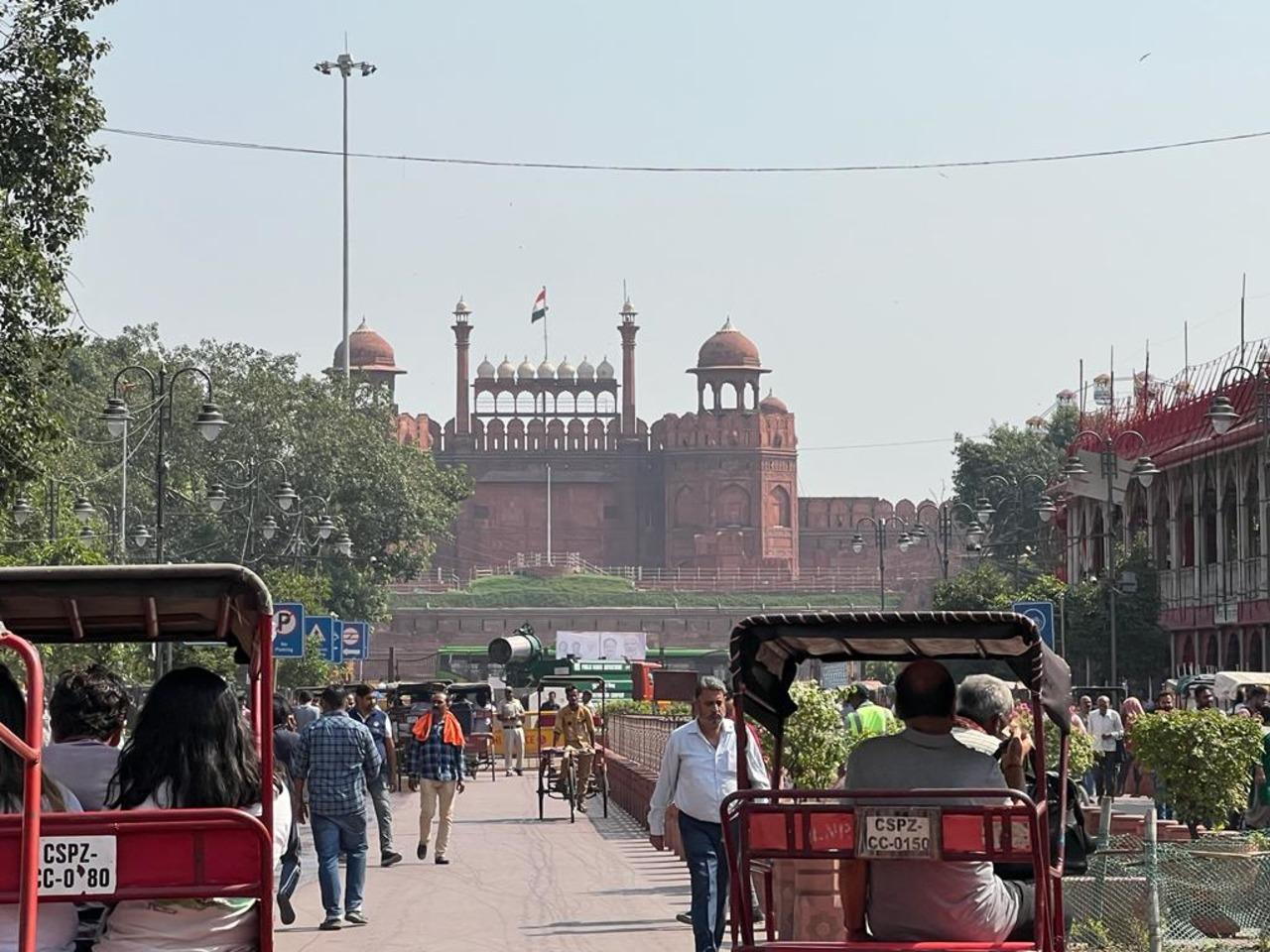
This UNESCO World Heritage site served as the main residence for Mughal emperors for nearly 200 years. The structure covers 254 acres of prime land.
This iconic lane has been famous for its fried bread stalls since the 1870s. It remains a focal point for traditional vegetarian snacks.
An organized old delhi street food tour offers logistical security and cultural context, while a DIY exploration provides total autonomy for the budget-conscious traveler; most visitors who have experienced both value the curated insights of a guided old delhi street food tour tour for their first time. Choosing between these options depends on whether you prioritize expert narration or complete personal freedom when navigating these historic lanes.
| Feature | Top pick Guided Food Tour | Independent DIY Walk |
|---|---|---|
Navigational Ease |
High - Expert guide leads | Low - Self-navigated through alleys |
Safety and Hygiene Confidence |
High - Vetted stalls only | Varies - Individual discretion required |
Curated Historical Context |
Comprehensive - Deep architectural insight | Minimal - Sightseeing only |
Depth of Food Selection |
High - Curated tasting menu | High - User-defined variety |
Pricing Structure |
Fixed - All-inclusive package | Variable - Pay-per-item cost |
Risk of Overwhelm |
Low - Managed experience | High - Sensory overload likely |
| See tickets → |
Verdict: Opt for a guided old delhi street food tour tours experience if you prefer a stress-free immersion into local culinary traditions, or choose the DIY route if you prefer navigating at your own pace without pre-purchased old delhi street food tour tickets.
Choose your ticket, select your date, and reserve in under two minutes. Secure checkout handled by our verified partner.
Instant confirmation by email, with a mobile voucher you can save offline. No printing, no queuing at a collection desk.
Arrive at the entrance, show your voucher on your phone, and walk in. Most tickets include priority or skip-the-line access.
Practical details for your visit straight from our verified partners — hours, access, rules, and how to get there.
Chandni Chowk Station
Main exit facing the market
Take the Yellow Line to Chandni Chowk Station.
Hire a cab to reach the outskirts of the market district.
Modest clothing is recommended when exploring religious landmarks along the old delhi street food tour route. Ensure shoulders and knees are covered.
Keep belongings secure and carry bags in front of you while navigating the crowded alleys of this Old Delhi culinary district. Large backpacks are discouraged.
Photography is permitted in public areas, but always request permission before capturing close-up portraits of shopkeepers or locals.
The area consists of dense, historical streets that are often crowded and uneven. It is not suitable for mobility aids.
Mobile phone use is acceptable, though signal strength may fluctuate within the narrow lanes of the market.
The old delhi street food tour is best suited for older children and teenagers who can navigate dense crowds safely. Parents should monitor younger children closely at all times.
This old delhi street food tour involves sampling various local delicacies. Verify dietary restrictions with your guide prior to starting.
Pets are not allowed on group tours due to the crowded environment and proximity to food preparation areas.
Be prepared for high ambient noise and significant sensory stimulation. Follow your guide to ensure you remain on the planned route.
Best time to go, insider tips, nearby landmarks, and the cancellation fine print — flip through to skim what matters to you.
How crowds, weather, and events shift across the year.
March to April offers pleasant weather for walking tours.
May to August is hot with frequent monsoon showers.
September to November provides ideal outdoor touring conditions.
December to February is cool and popular for sightseeing.
Small details that turn a good visit into a great one.
Drink plenty of water due to the high August humidity.
Navigating these streets is challenging without local knowledge.
Small stalls often do not accept digital payments.
Sample the chaat, but stick to reputable, busy vendors.
Use the 08:00–18:00 window to beat the peak afternoon heat.
Non-bookable sights within a short walk — free to visit, easy to pair.
One of the largest mosques in India, featuring red sandstone architecture.
A massive 17th-century Mughal fort complex.
A serene religious site known for its intricate carvings.
A historic place of worship commemorating the ninth Sikh Guru.
Flexible, no hidden fees.
Cancellations for an old delhi street food tour are subject to the operator's specific booking terms. Refer to your confirmation voucher for refund eligibility windows.
Hand-picked options within walking distance — pick a district for vibe, or a specific hotel for convenience.
Local guesthouses offer authentic proximity to the market.
Modern hotels with easy access to the metro.
Upscale heritage properties and boutique stays.
Chandni Chowk's food economy predates the British Raj by a century. Shah Jahan laid out the crescent-shaped market in 1650 as the ceremonial avenue linking the Red Fort to Fatehpuri Mosque, and within decades the corridor became the Mughal capital's primary wholesale and retail artery. By the 18th century, karigars and halwais had claimed the narrow galis branching off the main boulevard, establishing multi-generation establishments that still operate from the same stone-and-timber shopfronts their ancestors built. Paranthe Wali Gali earned its name from the frying pans that have hissed there since 1872. Ghantewala, founded in 1790, held the title of Delhi's oldest halwai until its closure in 2015, but its recipes migrated to a dozen neighboring shops. The culinary density is unmatched: a 400-meter stretch between Fatehpuri Mosque and the Sis Ganj Gurdwara packs 87 active food vendors, from seated restaurants to handcart operations. An Old Delhi street food tour navigates this density with purpose. Guides steer visitors past tourist-trap imitators toward third- and fourth-generation specialists—the chaat-wallah whose great-grandfather invented the meethi chutney variation now standard across North India, the jalebiwala who still fries in pure desi ghee rather than cheaper oils. The difference is legible on the plate: papdis stay crisp under yogurt for five minutes instead of disintegrating immediately, and the kulfi carries the granular texture that only slow-frozen milk produces. Most operators pair tastings with cycle-rickshaw transport, threading the web of galis too narrow for motorized vehicles. Evening departures capture the post-sunset surge when locals claim the lanes and vendors roll out specialties absent during daylight hours. The architecture frames the food. Havelis built by Mughal courtiers and later adapted by Marwari merchants rise four stories above the bazaar, their jharokha balconies and stucco façades weathered but intact. The Jain Lal Mandir's red sandstone marks the eastern anchor; the 17th-century Town Hall designed by British engineer Robert Tor Russell presides over the western terminus. Between them, the overhead electrical grid and modern signage cannot fully obscure the Shahjahanabad street plan—orthogonal lanes intersecting the main artery at precise intervals, a geometry visible from any rooftop vantage point. Chandni Chowk remains Delhi's commercial heart not as metaphor but as fact: wholesale spice traders still close deals worth lakhs of rupees in the same courtyards where their grandfathers negotiated, and the district's daily turnover rivals entire satellite cities.
"A 400-meter stretch between Fatehpuri Mosque and Sis Ganj Gurdwara packs 87 active food vendors, from seated restaurants to handcart operations."
A step-by-step walkthrough of the visit — what you'll see, how long each stage takes, and the details that matter.
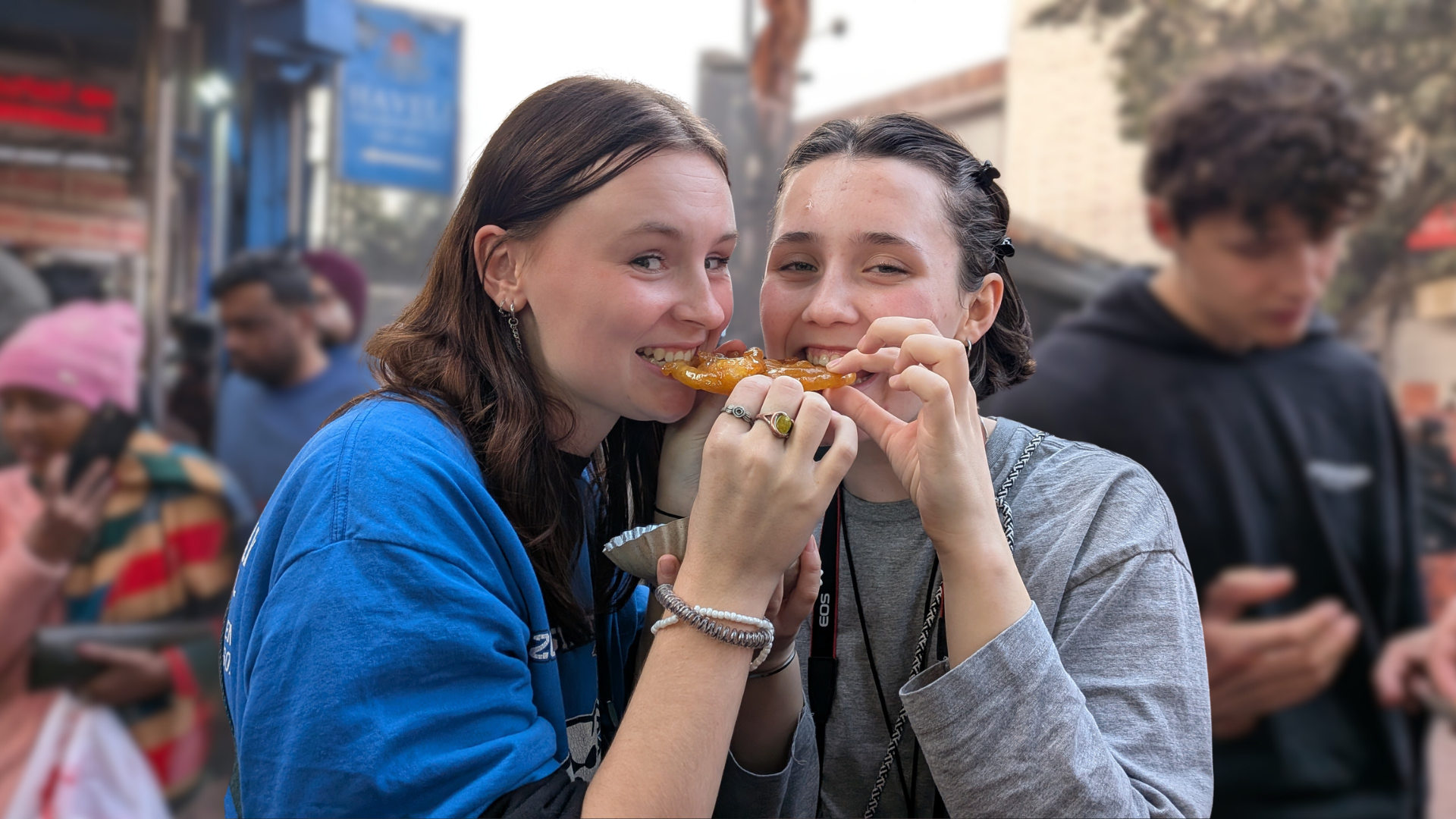
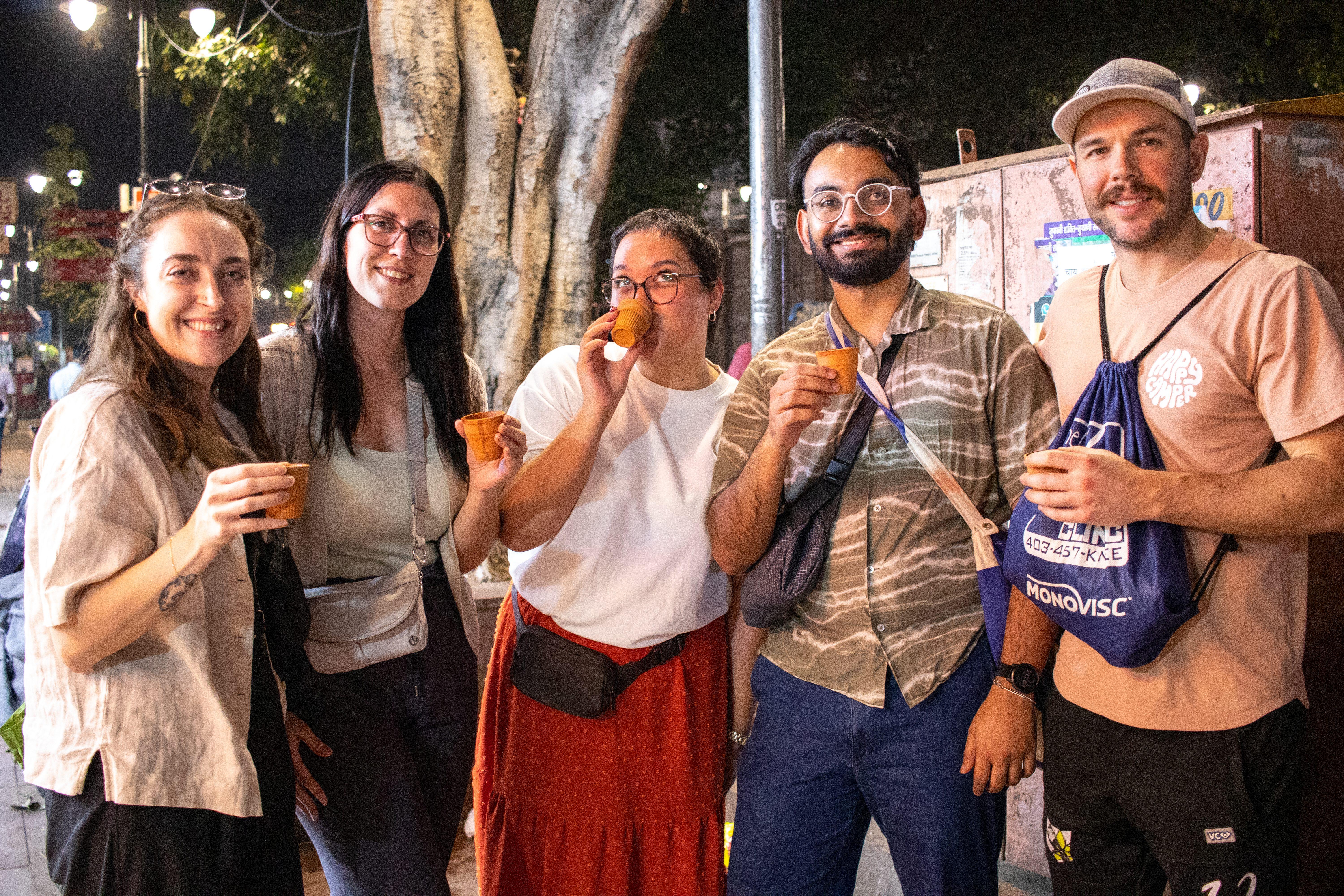
You meet your guide at the Chandni Chowk Metro Station exit, where the crowd thickens immediately. The first stop is a chaat stall operating from a recessed alcove—you watch the vendor assemble aloo tikki, layering fried potato patties with chickpeas, tamarind chutney, and yogurt in a sequence perfected over decades. The flavors hit in waves: sweet, sour, savory, the crisp-soft contrast deliberate. A cycle-rickshaw waits nearby. You climb in and the driver pushes into the gali network, past hardware shops and fabric wholesalers, emerging at Paranthe Wali Gali. Here you taste paranthas stuffed with spiced lentils or paneer, served with potato curry and pickles on steel thalis. The proprietor's grandfather's photograph hangs above the coal-fired griddle. The route continues on foot through the spice market, where wholesale sacks of turmeric and red chili powder line the walkway, and then to a jalebi vendor whose spiral funnels of batter drop into bubbling ghee, emerging amber and sticky. You eat them warm, the sugar syrup still liquid. At a lassi shop near Sis Ganj Gurdwara, clay cups filled with thick, salted yogurt drink provide a cooling interval. The final tasting is kulfi from a cart stationed outside Fatehpuri Mosque—dense, slow-melting ice cream flavored with cardamom and pistachios. By the time you return to the metro station, two hours have passed and you have sampled eight distinct preparations, each anchored to a specific address and family lineage.
The area is accessible 24/7, but the recommended arrival window for a tour is 08:00–18:00.
Due to narrow, crowded lanes, the old delhi street food tour is not accessible for wheelchairs.
The best time for an old delhi street food tour is during the 08:00–18:00 arrival window for balanced activity.
Small bags are permitted, but keep them in front of you during your old delhi street food tour to ensure security.
Cancellations for tour tickets depend on the operator; please check your specific booking confirmation.
Yes, families are welcome, provided children can handle the dense crowds of the old delhi street food tour.
The most convenient way to reach the Chandni Chowk meeting point is by taking the Delhi Metro to the station of the same name.
Yes, you can take photos during your old delhi street food tour, but please respect the privacy of locals.
Entry to the public street area is 0 INR, though tours have their own pricing for food and services.